Sustainability & Circular Economy
Trash2Treasure: Youth Upcycling and Sustainable Fashion
An Erasmus+ partnership empowering young people aged 18–30 to address the environmental impact of fast fashion through upcycling, sustainable fashion, entrepreneurship, community activities and international cooperation.
The story
Fast fashion encourages short product lifecycles, excessive consumption and the disposal of clothing that could otherwise be repaired, redesigned or reused. Many young people are aware of environmental challenges but lack the practical skills and opportunities needed to adopt more sustainable fashion habits. Trash2Treasure was developed to connect environmental education with creativity, practical learning, youth entrepreneurship and European cooperation.
From January 2025 to June 2026, the four partner organisations implemented a learning process combining debates, environmental education, practical upcycling training, entrepreneurship and community engagement. Young people explored the consequences of fast fashion and learned to repair, redesign and transform discarded clothes into new products. International and local activities enabled participants to exchange practices, develop creative ideas and share their knowledge with their communities. The project concluded with dissemination activities showcasing upcycled creations and promoting sustainable fashion.
Trash2Treasure demonstrated that discarded clothing can become a resource for creativity, learning and economic opportunity. By combining environmental awareness with practical skills and youth entrepreneurship, the project encouraged young people to reconsider their consumption habits and become active promoters of sustainable fashion. It also strengthened cooperation among organisations from four European countries and created a foundation for further community initiatives on textile waste and the circular economy.
Objectives
- Increase young people’s awareness of the environmental and social consequences of fast fashion.
- Equip young people with practical skills in sewing, garment repair, redesign and upcycling.
- Promote sustainable consumption and responsible fashion choices.
- Reduce textile waste by transforming discarded clothing into useful and creative products.
- Develop young people’s creativity, design thinking and problem-solving skills.
- Support youth entrepreneurship and the development of sustainable fashion initiatives.
- Encourage young people to become advocates for sustainability in their communities.
- Strengthen European cooperation and intercultural learning among organisations and young people from four countries.
- Promote the principles of the circular economy within the fashion sector.
Target groups
- Young people aged 18–30
- Young consumers of fast-fashion products
- Young people with fewer opportunities
- Young people from low-income, rural or minority communities
- Migrants, refugees and young people at risk of social exclusion
- Young people interested in fashion, design, sewing and creative arts
- Aspiring young entrepreneurs and sustainable business creators
- Schools, universities and educational institutions
- Fashion designers, brands, boutiques and textile-sector professionals
- Environmental and youth organisations
- Local authorities and policymakers
- Members of the wider community
Activities
- Project coordination and transnational cooperation among four partner organisations
- Debates and discussions on the environmental and social impact of fast fashion
- Awareness sessions on sustainable consumption and the circular economy
- International designing and upcycling training
- Practical workshops in sewing, cutting, garment repair and reconstruction
- Development of creative products from discarded clothes and textile materials
- Entrepreneurship and sustainable business development sessions
- Local upcycling workshops and community events in the partner countries
- Training of young upcycling ambassadors and peer educators
- Public awareness activities in schools, colleges and local communities
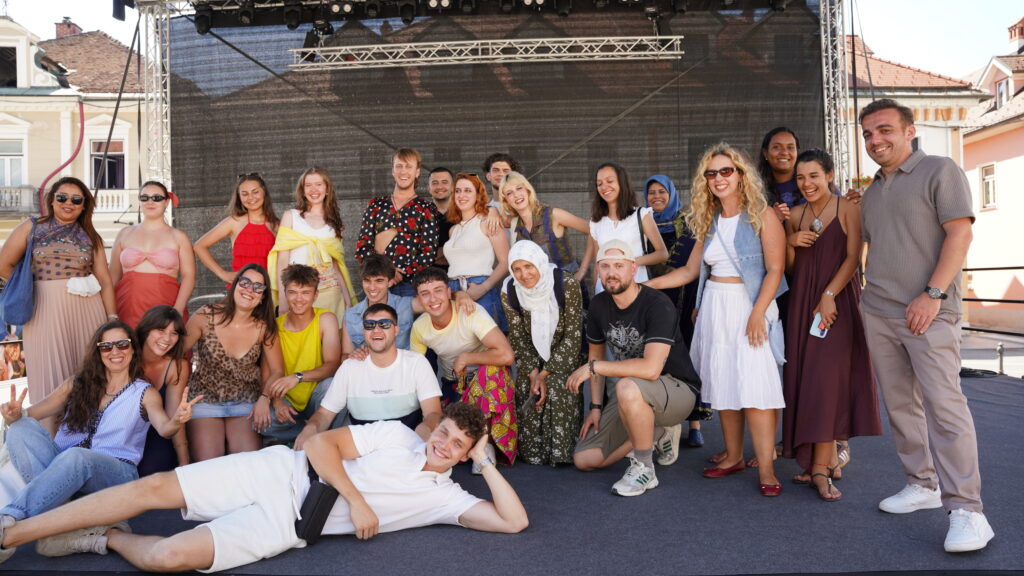
- International youth activity and project meeting in Slovenia
- Communication campaigns and dissemination through social media
- Final conference, fashion show and exhibition of upcycled creations
- Evaluation, documentation and dissemination of project results
Results
- 12 debates and discussion sessions implemented across four partner countries
- At least 120 young people engaged in discussions on fast fashion, textile waste and sustainable consumption
- 28 young people selected for the international designing and upcycling training, with seven participants from each partner country
- Four partner organisations from Malta, Albania, Portugal and Slovenia involved throughout the 18-month project
- One international designing and upcycling training programme delivered
- Four national local-upcycling programmes organised across the partner countries
- One international dissemination conference, fashion show and exhibition organised
- 28 young people involved in the final international youth activity
- 32 stakeholders, experts and representatives of the fashion and environmental sectors engaged in the final event
- 60 participants targeted through the final dissemination conference and exhibition